
When you’re choosing a hosting plan for your website, you’ll likely come across a technical term that many website owners overlook that is IP addresses.
At first glance, it may not seem important. After all, most people focus on storage space, bandwidth, speed, uptime, and pricing when selecting a hosting provider. Yet one question continues to come up among business owners, developers, bloggers, and online entrepreneurs which is should I choose a shared IP or a dedicated IP?
If you’re running a website in Nigeria, the answer can affect everything from cost and security to email deliverability and server management. The good news is that you don’t need a networking degree to understand the difference.
What Is an IP Address?
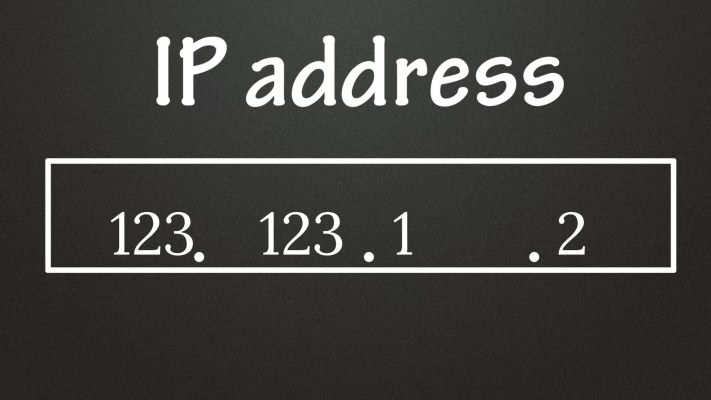
An IP address (Internet Protocol Address) is a unique number assigned to a device or server connected to the internet.
For example, when someone types your domain name into Chrome, Safari, or another browser, the Domain Name System (DNS) helps translate that human-readable domain into an IP address. The browser then uses that information to connect to the hosting server and request your website content.
You don’t normally need to remember your website’s IP address because your domain name makes accessing your website much easier.
There are two major types of IP addresses used online:
- IPv4: The traditional IP addressing system, commonly represented by four numbers separated by periods.
- IPv6: A newer addressing system designed to provide a much larger pool of available addresses.
For many website owners, the important thing isn’t memorizing these technical formats. It’s understanding how your hosting provider assigns IP addresses to your website.
What is Shared IP Hosting?

A shared IP address means multiple websites use the same IP address on a server and this is the most common hosting arrangement worldwide. If you’ve ever purchased a standard shared hosting plan, there’s a very good chance your website was placed on a shared IP.
Imagine a large apartment building where hundreds of residents live in the same building and share one main street address, while each resident occupies a different apartment unit. Shared IP hosting works in a similar way.
Many websites share the same server IP while remaining separate from one another. Modern hosting technology makes this possible without causing confusion between websites.
How Shared IP Addresses Work
When you purchase shared hosting, your hosting provider places your website on a server that may contain websites belonging to other customers. Those websites can share the same public IP address while maintaining separate hosting accounts, files, databases, and configurations.
For example, imagine you purchase a hosting package for your company website through telaHosting. Another customer may purchase a separate package from the same hosting environment. Both websites can use the same public IP address without visitors seeing one another’s files or content.
When a visitor enters your domain, DNS directs their browser to the relevant IP address. The browser then sends the domain information to the server, allowing it to identify the correct website. This process happens automatically, usually within a fraction of a second.
Advantages of Shared IP Hosting
1. Lower Hosting Costs
Cost is one of the biggest advantage because multiple websites share the same infrastructure, hosting providers can keep prices affordable.
This makes shared hosting ideal for:
- Small businesses
- Personal blogs
- Startup websites
- Portfolio sites
- Informational websites
For many Nigerian website owners, affordability is a major factor when getting started online.
2. Easy Management
With shared IP hosting, your hosting provider generally handles the technical configuration required to connect your domain to the server.
Most hosting environments provide control panels that allow you to manage:
- Domain names and DNS settings.
- Website files
- Business email accounts.
- SSL certificates.
- Website applications.
This is particularly helpful if you’re a small business owner who wants to concentrate on running a business rather than learning complicated server administration.
For example, a Nigerian consultant launching a professional website can purchase hosting, connect a domain, install WordPress, and start publishing content without worrying about managing a dedicated IP address.
3. Efficient Resource Usage
Shared IP hosting helps hosting providers use available IPv4 addresses more efficiently.
Instead of assigning a separate IPv4 address to every website, several domains can share one address through modern web server technologies. This approach reduces unnecessary IP allocation and helps providers maintain more efficient hosting environments.
For customers, it means you can operate a professional website without requiring an exclusive IP address.
Disadvantages of Shared IP Hosting
1. Shared Reputation
An IP address can develop a poor reputation if it’s associated with suspicious activity, spam messages, malicious websites, or other forms of abuse.
For example, imagine several websites use the same IP address. One website owner begins sending large quantities of unsolicited emails, causing the IP address to appear on an email blocklist.
Other websites using that IP could experience email delivery issues if receiving mail systems reject or distrust messages from that address. This is sometimes called the neighbour effect.
However, it’s important to understand that this doesn’t mean every shared IP address has a poor reputation because responsible hosting companies monitor their infrastructure, investigate abuse reports, and take appropriate action against accounts that violate their policies.
If you’re choosing shared IP hosting, look for a provider that takes server monitoring and abuse prevention seriously.
2. Less Control
Shared IP hosting gives you less control over the public IP address assigned to your website. Because the address is shared, you generally cannot configure it exclusively for your own specialised networking requirements.
This may not matter if you’re running a normal WordPress website or company website. However, developers working with specialised applications may need direct control over IP configurations, firewall rules, network access, or other server-level settings.
In those situations, a dedicated IP or a different hosting environment may be more appropriate.
What Is a Dedicated IP Address?

A dedicated IP address is assigned exclusively to one hosting account. No other websites share it. Think of it as owning a private house rather than renting an apartment in a shared building. The address belongs solely to you.
Every request directed to that IP leads directly to your hosting environment. Dedicated IPs provide greater isolation and control, which can be valuable for specific use cases.
How Dedicated IP Hosting Works
When you purchase a dedicated IP, your hosting provider assigns an available IP address exclusively to your hosting account or specified service. Your domain’s DNS records can then be configured to point to that address.
For example, if your company operates yourbusiness.com your domain may resolve to a dedicated IP assigned to your account. This arrangement allows your website to have an exclusive public IP address.
Depending on your hosting environment, the same IP may still serve multiple websites belonging to you if you configure virtual hosting that way. The important distinction is that unrelated customers do not share the assigned IP.
Dedicated IPs are particularly useful for specialized applications, certain remote-access configurations, and businesses that want more direct control over email reputation.
Advantages of Dedicated IP Hosting
1. Improved Email Reputation Control
With a dedicated IP, your email reputation depends largely on your own practices rather than those of other users. If your business sends important transactional emails, newsletters, or customer notifications, maintaining control over IP reputation can be valuable.
Examples include:
- E-commerce stores
- Financial services
- SaaS platforms
- Educational institutions
2. Greater Server Access Flexibility
Certain applications require direct IP access and a dedicated IP can simplify:
- Remote server connections
- Custom software setups
- Advanced DNS configurations
These features appeal more to developers and businesses with specialized requirements.
3. Enhanced Perceived Exclusivity
A dedicated IP provides an additional level of separation at the public IP address level. This can be valuable for organisations that want their internet-facing services to have a distinct address.
For example, a company managing several websites may prefer to assign a separate IP address to a particular application because of its networking requirements.
It is important, though, not to confuse IP separation with complete server isolation. If your dedicated IP is hosted on a shared server, your website may still share the underlying server hardware and other infrastructure with different customers.
Disadvantages of Dedicated IP Hosting
1. Higher Cost
Dedicated IP addresses usually involve additional fees because the IP is reserved exclusively for your account.
Although the cost may seem small, it can become another recurring expense when combined with domain renewals, hosting subscriptions, email services, and other business costs.
For many small websites, the added expense may not deliver meaningful benefits.
2. Not a Guaranteed Speed Boost
One of the biggest misconceptions is that dedicated IPs automatically make websites faster.
In reality, website speed depends primarily on:
- Server hardware
- Network quality
- Caching systems
- Website optimization
- Hosting infrastructure
A dedicated IP alone does not significantly improve loading times.
3. Additional Email Management Responsibilities
A dedicated IP gives you more control over your email reputation, but that also means more responsibility.
You need to maintain appropriate sending practices, monitor delivery performance, configure authentication records, and investigate any reputation issues. If your business sends emails regularly, you should also understand how email providers evaluate sending behaviour.
For example, a new dedicated IP may not have an established reputation. Sending thousands of messages immediately could cause receiving providers to treat the traffic cautiously.
This is why businesses using dedicated email infrastructure often follow a gradual sending approach and maintain clean mailing lists.
Shared IP vs Dedicated IP
| Feature | Shared IP | Dedicated IP |
| Cost | Lower | Higher |
| IP Ownership | Shared among multiple websites | Exclusive to one account |
| Email Reputation | Shared environment | Greater individual control |
| Ease of Use | Very simple | Slightly more advanced |
| Resource Impact | No major difference | No major difference |
| Best for Small Websites | Excellent | Often unnecessary |
| Custom Configurations | Limited | Greater flexibility |
| Enterprise Applications | Less suitable | More suitable |
| Beginner Friendly | Yes | Yes, but may be unnecessary |
| SEO Benefit | No inherent disadvantage | No direct ranking advantage |
| Security | Depends on Hosting security and account isolation | Does not automatically provide stronger security |
When Should Nigerian Businesses Choose a Shared IP?
For many websites, shared IP hosting is the practical choice. You may not need a dedicated IP if you operate:
- Business websites
- Blogs
- Portfolio websites
- School websites
- Nonprofit websites
- Informational portals
- Startup websites
Most modern websites function perfectly on shared IP hosting. In fact, millions of successful websites around the world use shared IP addresses every day.
When Should Nigerian Businesses Choose a Dedicated IP?
Dedicated IPs make sense under specific circumstances. Consider a dedicated IP if you:
- Send high volumes of business emails
- Need advanced server configurations
- Operate specialized applications
- Require direct IP-based access
- Want greater email reputation control
- Manage enterprise hosting environments
These situations are common among larger organizations and advanced hosting users.
How telaHosting Helps You Choose the Right Option
At telaHosting, we understand that not every website has the same requirements.
A personal blog has different needs from a busy online store. A startup website may not require the same infrastructure as a corporate platform handling thousands of visitors each day.
That’s why choosing between a shared IP and a dedicated IP should be based on your actual business needs not marketing hype.
For many customers, a shared IP provides everything necessary to run a secure, professional, and high-performing website. Others may benefit from the additional flexibility and control that comes with a dedicated IP.
The key is selecting a hosting solution that aligns with your goals today while giving you room to grow tomorrow.
Common Myths About Dedicated IP Addresses
1. Dedicated IPs Make Websites Much Faster: Not true. Speed depends primarily on hosting infrastructure and website optimization.
2. Google Prefers Dedicated IPs: Google does not prioritize websites simply because they use dedicated IP addresses.
3. Shared IPs Are Unsafe: Reputable hosting providers implement strong security measures across shared environments.
4. Every Business Needs a Dedicated IP|: Most websites operate successfully without one.
Key Factors to Consider Before Making a Decision
Before choosing between a shared IP and a dedicated IP, ask yourself:
1. What Is My Budget? Shared IP hosting is generally more affordable.
2. How Complex Is My Website? Simple websites rarely require dedicated IPs.
3. Do I Send Large Volumes of Email? Email-heavy operations may benefit from dedicated IP management.
4. Will I Need Advanced Configurations? Developers and enterprise users may require additional flexibility.
Final Thoughts
When comparing shared IP vs dedicated IP for Nigerian hosting, there is no universal winner. The right choice depends on your website’s purpose, technical requirements, and long-term goals.
For most small businesses, bloggers, startups, schools, and informational websites, a shared IP provides an affordable, secure, and highly effective solution. Modern hosting technology allows shared IP environments to deliver excellent performance without sacrificing reliability.
A dedicated IP, on the other hand, becomes valuable when you need greater control over email reputation, specialized server configurations, or enterprise-level hosting flexibility.
At telaHosting, we believe hosting decisions should be driven by real business needs rather than misconceptions. Whether you choose a shared IP or a dedicated IP, the goal remains the same which is providing your visitors with a fast, secure, and dependable online experience.
By understanding how each option works, you’ll be better equipped to select a hosting solution that supports your website today and scales with your ambitions tomorrow.
Frequently Asked Questions
1. Is a dedicated IP necessary for SSL certificates?
No. Modern SSL technology works perfectly on shared IP addresses.
2. Does a dedicated IP improve website speed?
Not significantly. Website speed depends more on server quality, caching, optimization, and hosting infrastructure.
3. Can shared IP hosting affect email deliverability?
In some cases, shared IP reputation can influence email delivery, though reputable hosting providers actively manage this risk.
4. Which option is better for small Nigerian businesses?
For most small businesses, a shared IP offers excellent performance and value without additional costs.
5. Can I upgrade from a shared IP to a dedicated IP later?
Yes. Most hosting providers, including those offering scalable hosting solutions, allow upgrades as your business needs evolve.