

If you’ve ever wondered how people in Nigeria are running hosting businesses without owning servers or spending a fortune, you’re about to get clarity. Reseller hosting is one of those online business models that sounds complex at first, but once you understand how it works, it feels surprisingly simple.
What is Reseller Hosting?

Reseller hosting means buying web hosting resources in bulk and reselling them to other people for profit.
Instead of owning servers, you partner with a hosting company. They provide the infrastructure, and you sell hosting services to your own customers under your own brand name.
Here’s a simple way to look at it:
- The hosting company = the manufacturer
- You = the distributor
- Your customers = the end users
The hosting provider supplies:
- Servers
- Network infrastructure
- Security
- System updates
You supply:
- Branding
- Pricing
- Customer relationships
- Frontline support
This division of responsibility is what makes reseller hosting work so well. You don’t build the servers. You don’t manage complex backend systems. You focus on selling, supporting customers, and growing your brand.
How Reseller Hosting Starts in Nigeria
Reseller hosting in Nigeria usually starts with a very practical need. Many people already have clients who need websites such as small businesses, churches, schools, startups, or bloggers. These clients always ask one question: “Where will my website be hosted?”
Instead of sending them elsewhere, reseller hosting allows you to say: “I can handle everything for you.”
That’s where the journey begins.
How Reseller Hosting Works in Nigeria (Step by Step)
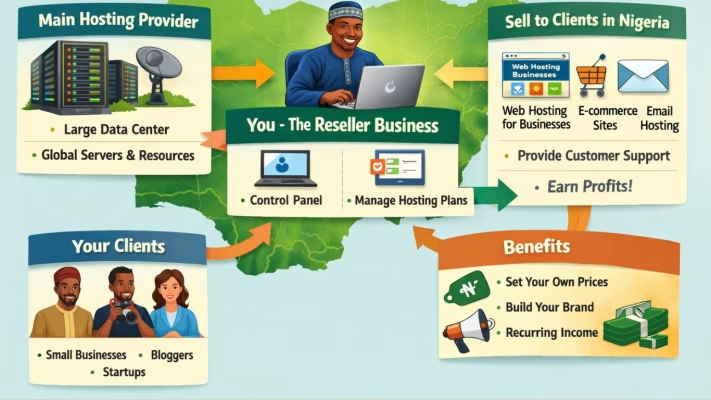
Let’s break down exactly how reseller hosting works in the Nigerian market, from start to finish.
Step 1: You Partner with a Hosting Company
The first thing that happens is choosing a hosting provider that offers reseller hosting services. In Nigeria, this is very important because local performance, payment methods, and support matter a lot.
A good hosting partner provides:
- Reliable server uptime
- Fast website loading speeds
- Strong security
- Responsive technical support
When you partner with a hosting company like us at telaHosting, we give you access to our servers and tools so you can resell hosting legally and professionally.
At this stage:
- You’re not buying a single hosting account
- You’re buying reseller access
- You’re getting permission to host multiple clients
This partnership is the foundation of your reseller hosting business.
Step 2: You Buy Hosting Resources in Bulk
Instead of buying hosting for just one website, you buy a reseller plan that comes with shared resources such as:
- Disk space
- Bandwidth
- Email accounts
- Databases
- Hosting accounts
These resources are like a big container you’ll later divide among your customers.
This bulk buying is what allows you to:
- Set your own prices
- Control your profit margins
- Serve multiple customers
And the beauty is that you don’t need to buy a large plan immediately. Most resellers in Nigeria start small and grow gradually.
Step 3: You Get Access to WHM and cPanel
Once your reseller plan is active, you receive access to two important tools:
WHM (Web Host Manager)
This is your control center. You use WHM to:
- Create hosting accounts for clients
- Allocate disk space and bandwidth
- Suspend or unsuspend accounts
- Monitor usage
cPanel (Client Control Panel)
This is what your customers use. With cPanel, they can:
- Upload website files
- Create email addresses
- Install WordPress
- Manage databases
You control WHM. Your clients control cPanel. This separation keeps things organized and professional.
Step 4: You Create Hosting Packages
You decide how to divide your bulk resources into hosting packages that people can buy. For example:
- Starter Plan: for small websites or blogs
- Business Plan: for SMEs
- Premium Plan: for high-traffic websites
Most customers don’t care about technical numbers—they care about results. So instead of overwhelming them, you explain benefits like:
- Fast website speed
- Reliable uptime
- Local support
You also decide your own pricing. This means you control your profit.
Step 5: You Brand the Hosting as Your Own
One of the biggest advantages of reseller hosting is white-labeling.
White-label hosting means:
- Your customers see your business name
- Your logo appears on their control panel
- The main hosting company stays hidden
To your customers, you are the hosting company. This is especially powerful here in Nigeria, where trust and personal branding matter. When people feel they’re dealing directly with you, they’re more likely to stay loyal.
Step 6: Customers Buy Hosting from You
Once your packages are ready, customers start buying hosting directly from you.
They might be:
- Small business owners
- Bloggers
- Schools or churches
- Startups
- Online vendors
They pay you—not the hosting provider.
You can collect payments:
- Monthly
- Quarterly
- Yearly
Most resellers prefer yearly plans because they bring stable income. Also, most resellers in Nigeria get their first clients from:
- Existing website design clients
- Friends and business contacts
- Referrals
- Social media
- WhatsApp conversations
Hosting sells best when bundled with value. For example:
- Website design + hosting
- Business email + hosting
- Maintenance + hosting
This makes your offer more attractive and increases your income per customer.
Step 7: You Manage Customers, Not Servers
This is where many people get it wrong. As a reseller, you are not managing servers. Your role includes:
- Creating and managing customer accounts
- Answering basic questions
- Helping clients get started
- Communicating clearly
The hosting provider handles:
- Server maintenance
- Security updates
- Hardware issues
- Network uptime
So if a server issue happens, you simply contact your hosting partner and they fix it in the background.
Handling Payments the Nigerian Way
Reseller hosting works best when payments are simple and local. You can:
- Accept payments in naira
- Use bank transfers
- Use local payment gateways
- Offer WhatsApp-based invoicing
This makes it easier for customers who don’t want to deal with foreign cards or dollar pricing. Local hosting = less payment stress.
How You Make Money with Reseller Hosting
Your profit comes from the difference between:
- What you pay for your reseller plan
- What your customers pay for hosting
For example:
- Your reseller plan costs ₦40,000/year
- You sell hosting to 10 clients at ₦10,000/year
- You earn ₦100,000/year
- Your profit = ₦60,000
As you add more clients, your profit increases—often without increasing your costs immediately. That’s why reseller hosting is known for recurring income.
Why Reseller Hosting Works Well in Nigeria
Reseller hosting fits the Nigerian market perfectly for several reasons:
- Growing number of online businesses
- High demand for affordable hosting
- Preference for local support
- Need for naira pricing
- Trust in personal service
Many Nigerian business owners don’t want to deal with foreign hosting companies. They want someone local who understands them—and that’s where you come in.
For reseller hosting to work smoothly, you need a reliable backend partner like us at telaHosting. With telaHosting:
- You get stable hosting infrastructure
- You enjoy local Nigerian support
- You can scale your reseller business easily
- You focus on customers, not technical stress
It’s built to support people who want to grow real hosting businesses in Nigeria.
Final Thoughts
Reseller hosting in Nigeria works by allowing you to sell hosting services without owning servers, while earning steady, recurring income. You partner with a hosting provider, create your own packages, brand them as your own, and sell to customers who need reliable web hosting.
If you’ve been looking for a low-risk online business that can grow over time, reseller hosting is one of the smartest options and with the right partner like us at telaHosting, the journey becomes even smoother.